Why Basketball Club Teams in San Diego Continue to Attract Talent
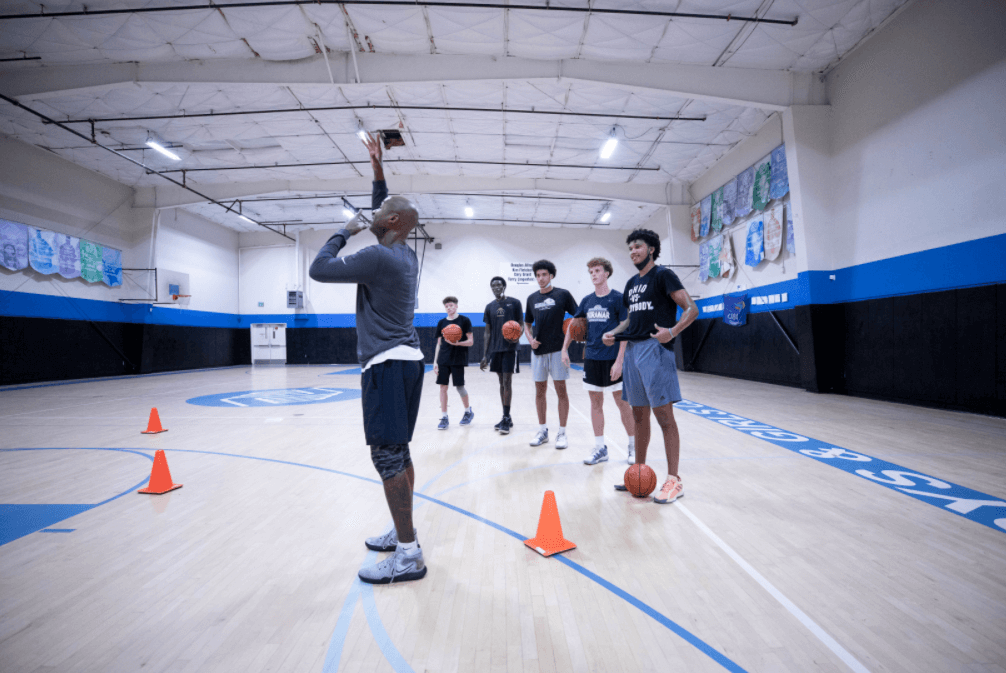
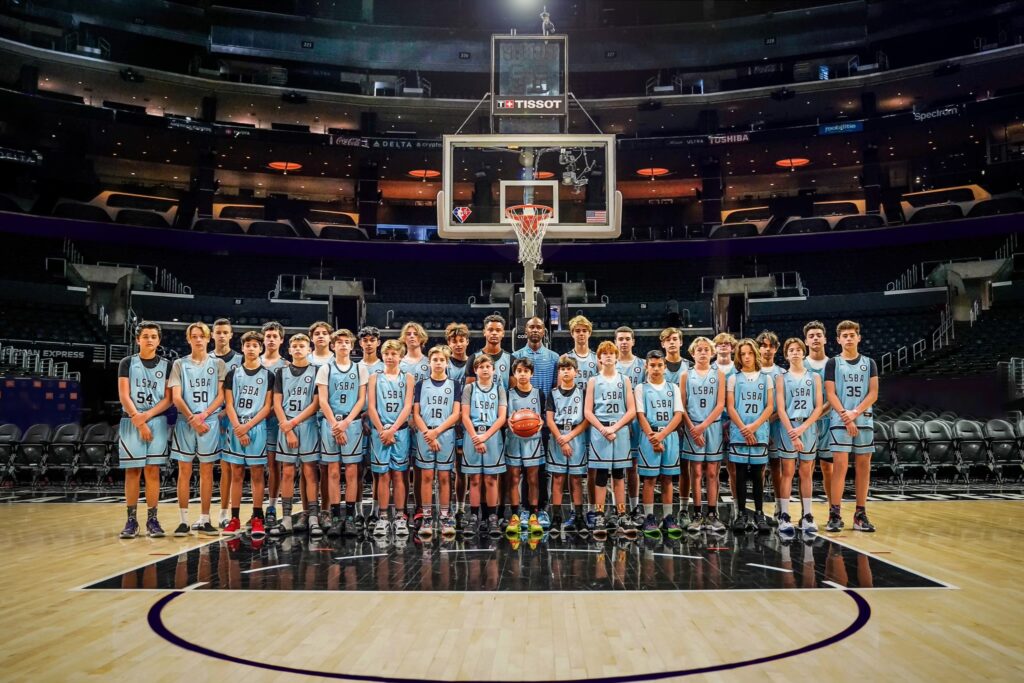
San Diego has been a destination city for athletes for years, but basketball has carved out a particularly strong lane. Families relocate here for work, weather, schools, and lifestyle, then discover an unusually active youth sports ecosystem waiting for them. Among those options, Basketball Club Teams San Diego continue to stand out because they offer something more durable than hype. They give players a place to develop over time, measure themselves against strong competition, and stay connected to a game that rewards discipline as much as raw talent.
That attraction is not built on one factor alone. It comes from geography, coaching depth, tournament access, and the kind of basketball culture that can sustain a player from elementary school through high school recruiting years. It also comes from expectations. In San Diego, players often join club programs knowing they will be pushed. Families usually understand that improvement does not come from weekend trophies alone. It comes from the mundane work, repetition, footwork, film, defensive habits, and learning how to compete when legs are tired.
I have seen the difference between cities where club basketball is treated as seasonal entertainment and cities where it functions as a real development track. San Diego leans much closer to the second category. The strongest programs are not selling a jersey and a schedule. They are building environments where players learn how to train, how to accept coaching, and how to handle the pressure that comes with meaningful games.
A region built for year round development
The first practical advantage is obvious to anyone who has spent time in youth sports: consistency matters, and San Diego makes consistency easier. Weather alone does not create great players, but it removes friction. Training sessions are less likely to be canceled. Strength work, shooting sessions, and outdoor skill workouts can happen throughout most of the year. Families are not constantly adjusting around severe winters or long stretches where travel becomes unpredictable.
That sounds like a small point until you compare it with regions where gym access tightens in certain months, commuting gets harder, and schedules become unstable. Young players improve through volume and rhythm. When a club can maintain both, gains stack up. Handles sharpen. Shooting mechanics hold. Conditioning does not reset every few weeks.
This matters especially for players in the middle development years, roughly from ages 11 to 15, when habits harden quickly. A skilled coach can do good work anywhere, but a city that supports regular work gives that coach a real edge. San Diego offers enough gyms, trainers, parks, and basketball-minded families to keep that cycle moving.
Strong competition attracts more strong competition
Talent follows talent. That is one of the oldest truths in sports, and it helps explain why Basketball Club Teams San Diego continue to pull in ambitious players. Once a region develops enough serious programs, the quality of local competition rises. As the competition rises, better players want in. Then the ecosystem improves again.
That loop is powerful. A player does not have to wait for a major showcase event to feel challenged. Good club teams in San Diego can find meaningful games in league play, local tournaments, scrimmages, and regional events. A guard who sees length, pressure, and speed every week adjusts faster than a guard who dominates weaker opponents for months at a time. The same is true for post players learning to finish through contact and wings learning to defend in space.
Families often underestimate how important this is until they see it firsthand. A player can average points in a softer environment and still arrive unprepared when the game speeds up. Club basketball in San Diego, at its best, reduces that false confidence. It exposes weaknesses early enough for players to fix them.
The most attractive programs usually share a few traits
- They teach skills within game situations, not in isolation only.
- They value practice habits at least as much as tournament results.
- They place players in age groups and roles that challenge them honestly.
- They communicate clearly with families about development, playing time, and expectations.
- They compete against teams that force adaptation, not just easy wins.
Those traits are not exclusive to San Diego, of course, but the city has enough demand and enough basketball literacy among parents that programs are often judged on them. That pressure helps separate serious clubs from flashy ones.
Coaching matters more than branding
A common mistake in youth basketball is assuming the most visible program is automatically the best one. In reality, the strongest fit often comes down to coaching philosophy, staff stability, and whether the player is actually being developed instead of merely showcased.
San Diego attracts coaches with a range of backgrounds. Some come from high school programs with a strong tactical foundation. Others have college experience, training experience, or years spent helping younger players build fundamentals from the ground up. The best club environments usually combine those strengths. They can teach a ten year old how to pivot, a middle school player how to read a hedge, and a high school prospect how to defend multiple actions without gambling.
Experienced families learn to look past social media clips quickly. A polished highlight video says little about whether a coach corrects foot placement on a closeout, teaches spacing, or holds players accountable on defense. Good coaching in club basketball is often repetitive and unglamorous. It is the correction a player hears for the twentieth time before it finally sticks.
San Diego’s better clubs understand another truth that helps attract talent: development is not linear. Players grow at different times, confidence fluctuates, and roles shift. A coach who knows how to manage that keeps players in the game longer. That stability matters in a sport where burnout is increasingly common.
The recruiting conversation has become more realistic
Families are drawn to club basketball in part because they believe it opens doors. Sometimes that belief is inflated, but in San Diego the better programs tend to approach recruiting with more realism than fantasy. That helps.
College placement is not a simple outcome of joining a club team. It depends on level, timing, fit, academic profile, position, and physical tools. Yet club basketball still plays an important role because it gives players repeated chances to compete in front of the right people and, just as importantly, to build a body of work over time.
San Diego players benefit from proximity to Southern California’s broader basketball circuit. Travel is manageable compared with what families face in more isolated markets. Programs can reach events in Los Angeles, Orange County, the Inland Empire, Arizona, and Nevada without turning https://trevoraghl283.quantlynix.com/posts/basketball-club-teams-san-diego-helping-athletes-unlock-their-potential every weekend into a logistical ordeal. That access increases exposure, but it also broadens competition and helps coaches evaluate where players truly stand.
I have watched more than one family assume their child needed national attention when what they really needed was a consistent role on a respected regional team, steady film, and a coach willing to be honest. San Diego’s stronger club teams often help players find that lane. Not every prospect needs the loudest stage. Many need the right level, enough reps, and a coach who can advocate with credibility.
San Diego supports different player paths
One reason the local scene stays attractive is that it can serve more than one type of athlete. Some players are early bloomers chasing high level exposure by middle school. Others are late growers who need two extra years before their game catches up with their instincts. Some want intense travel schedules. Others need a model that balances club basketball with school demands, other sports, or family realities.
The better basketball communities leave room for those differences. San Diego has enough depth to offer full scale competitive club programs, skill focused supplemental training, and lower volume pathways that still keep players improving. That variety matters because a one size fits all setup usually fails a large percentage of kids.
There is also a psychological benefit to this range. Players who feel trapped in the wrong environment often leave the sport. Players who find a team that matches their current level and ambition are more likely to stay engaged, improve, and eventually move up. In a healthy market, the ladder has more than one rung.
Families here tend to be informed, which raises the standard
Not every parent enters youth sports with the same experience, but San Diego has a high concentration of families who ask good questions. They want to know who is teaching their child, what the practice plan looks like, how playing time is handled, and whether tournament volume is replacing actual development. That scrutiny can be uncomfortable for weak programs, but it is healthy for the ecosystem.
It also creates a more mature conversation around value. Club basketball is expensive. There is no reason to dance around that. Team fees, uniforms, travel, training, and missed weekends add up quickly. Families are more willing to make that investment when they believe the program offers structure, accountability, and visible improvement.
The clubs that continue to attract talent in San Diego usually understand this economic reality. They know they cannot rely on slogans forever. If players are not improving, if communication is poor, or if teams are assembled carelessly, word spreads fast. In local basketball communities, reputation travels through gyms much faster than through marketing.
The city’s basketball identity has become more grounded
There was a time when some club scenes around the country leaned too heavily on image. Matching gear, ambitious schedules, and travel prestige could mask weak training. San Diego still has its share of branding, every market does, but the basketball identity here has become more grounded in substance.
Part of that shift comes from the influence of high level trainers, former players, and coaches who know what actual development looks like. Part comes from families who have seen enough to tell the difference between motion and progress. And part comes from the players themselves. Young athletes are more informed than people think. They know when practice has purpose and when it feels improvised. They know whether a coach is teaching or simply rolling out balls.
That growing basketball literacy strengthens the local scene. It rewards clubs that can articulate why they do what they do. It also helps players make better choices earlier, which leads to better long term development and less wasted time.
There is a real balance between ambition and lifestyle
San Diego’s appeal is not purely basketball related, and that matters more than some people admit. Families want strong sports opportunities, but they also want their lives to function. They want reasonable travel, good schools, safe communities, and some measure of balance. San Diego delivers that combination better than many markets.
This becomes especially important in the high school years, when players are managing academics, school ball, strength training, and recruitment pressure. A strong local club scene means a player can pursue serious basketball without uprooting every other part of life. That stability often improves performance. Athletes tend to do better when their routines are sustainable.
There is another side to this as well. Lifestyle appeal can attract transfers and relocations, which deepens the local talent pool. When stronger players move into the area, everyone benefits. Practices get tougher. Roles become more competitive. Younger players get better examples to follow. The market sharpens itself.
The best clubs understand the trade-offs
Club basketball is not automatically positive. Heavy schedules can create overuse issues. Too many games can limit teaching time. Chasing exposure too early can distort priorities. A player who spends every weekend traveling may gain visibility but lose valuable hours for strength work, recovery, and skill repetition.
San Diego’s most respected programs tend to acknowledge those trade-offs rather than deny them. They know that ten meaningful weekends often beat twenty chaotic ones. They know that a player’s long term ceiling depends as much on practice quality as tournament attendance. They know when a kid needs more competition and when that same kid needs fewer games and better mechanics.
That judgment is a major reason talent keeps flowing into the right clubs. Families talk. They compare notes on who protects players, who communicates honestly, and who understands the balance between development and exposure. In any mature basketball market, that kind of trust is currency.
What smart families usually watch before choosing a team
- How organized practice feels from the first ten minutes.
- Whether coaches teach defense with the same energy they teach scoring.
- How players on the bench are treated.
- Whether the competition level matches the roster honestly.
- How the program responds when a player is struggling, not just succeeding.
Those details reveal far more than a championship banner or a promotional post. A club earns credibility through daily behavior.
Skill development still wins in the long run
For all the conversation around circuits, rankings, and exposure, basketball remains stubbornly simple at its core. Players who can dribble under pressure, shoot with consistency, defend without fouling, and make quick reads stay valuable. San Diego clubs that emphasize those foundations keep attracting serious talent because players and families eventually recognize what lasts.
I have seen a lot of youth teams built around one early maturing scorer or one physically dominant big. That can produce short term wins, but it often collapses later when everyone catches up physically. Sustainable programs in San Diego tend to prepare players for that future version of the game. They work on reads, pace, body control, and off ball habits. They make skill development part of the culture rather than a side offering.
That is especially important for guards and wings in Southern California’s crowded basketball landscape. Those positions are deep. If a player cannot make efficient decisions, defend actions, and play with structure, raw flair will not carry them very far. Clubs that tell players the truth about that reality are doing them a favor.
Community keeps players connected
Another underappreciated reason club teams in San Diego continue to attract talent is community. Basketball can be isolating when development is framed only as individual advancement. The strongest clubs create relationships that keep players invested through slumps, role changes, and the normal turbulence of adolescence.
That might mean older players mentoring younger ones in workouts. It might mean coaches staying in touch with alumni. It might mean families building support networks around travel and scheduling. These things are not decorative. They help players stay in environments long enough to benefit from them.
A healthy basketball community also reinforces standards. Younger kids watch how older teams warm up, communicate, and carry themselves after losses. They absorb what “serious” looks like. San Diego has enough established club culture that these informal lessons happen all the time, often without much fanfare.
Why the pull remains strong
San Diego keeps attracting basketball talent because it offers more than scenery and more than a packed tournament calendar. It offers continuity. It offers access to strong regional competition. It offers enough knowledgeable coaching and informed families to reward programs that actually teach. It also offers players different pathways without forcing them into a single version of success.
That combination is hard to replicate. A city can have talent without structure, or structure without enough high level competition. It can have good weather but weak coaching, or great coaches but limited access to events. San Diego’s advantage is that several of these pieces exist together, and when they align inside the right club program, players notice the difference quickly.
For families evaluating Basketball Club Teams San Diego, the central question is not which program looks biggest. It is which environment will make the player better six months from now, one year from now, and three years from now. The clubs that answer that question well are the ones that keep drawing talent, season after season.
Lamont Smith Basketball Academy
888 Clairemont Mesa Blvd Suite T-2, San Diego, CA 92123
(619) 639-8778
FAQ About Basketball Club Teams San Diego
How can a player join an LSBA club team?
Players are evaluated during practices so the coaching staff can recommend an appropriate team and development level. Families should contact the academy to confirm current openings and evaluation details.
Are club teams available for newer basketball players?
Yes. LSBA describes multiple levels, including a developmental option for newer players as well as more competitive teams for athletes with prior club experience.
What do LSBA club team practices emphasize?
Practices emphasize basketball fundamentals, team defense, structure, communication, and player development. The specific focus may vary according to the team and experience level.
Do all LSBA teams travel?
Travel expectations vary by level. Some teams focus on local competition, while advanced teams may participate in tournaments elsewhere in Southern California or beyond. Families should confirm the current schedule before enrolling.